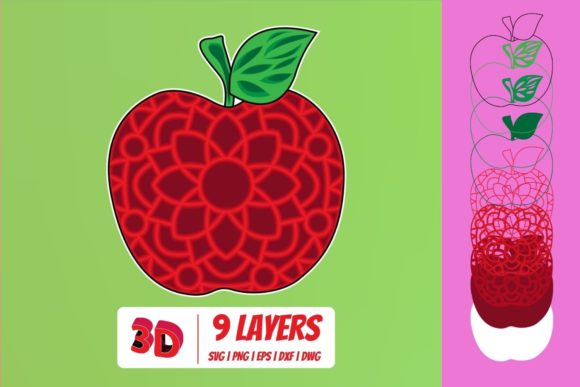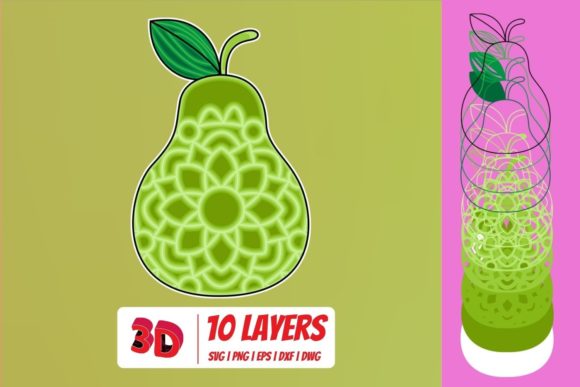
3D Pear SVG Cut File
I have spent years reviewing embroidery designs for both personal use and client projects, so I know that a pretty image on a screen does not always translate to a beautiful finished product. When I first encountered the 3D Pear SVG Cut File, my initial thought was not about the file formats or the technical specs, but rather the mood it evokes. It feels fresh, organic, and undeniably modern. Unlike many generic fruit motifs that can look dated or overly cartoonish, this design carries a sense of sophistication that fits perfectly into current trends in home decor and boutique apparel.
The concept of a "3D" pear is intriguing because it suggests depth and dimension before a single stitch is placed. For an embroidery designer, this immediately raises questions about how the machine will interpret those layers. Will it rely on heavy fill stitches that create a stiff texture, or will it utilize clever satin work and running stitches to mimic volume? In my experience, the success of a project often hinges on these subtle details. This design promises to add a touch of whimsy without sacrificing elegance, making it a strong candidate for anything from a high-end nursery pillow to a trendy tote bag.
Real-World Application: The Boutique Tote Bag Project
To truly understand the potential of the 3D Pear SVG Cut File, let's imagine a real-life scenario. Suppose you are preparing inventory for a local craft fair or updating your Etsy shop with a new line of handmade goods. You decide to create a custom embroidered tote bag featuring this design. The goal is to produce a product that looks professional enough to command a higher price point while remaining approachable for everyday use.
In this context, the pear design works beautifully as a focal point. Imagine placing it slightly off-center on a natural canvas tote, using a contrasting thread color like sage green or mustard yellow against the neutral background. The 3D effect adds a tactile quality that customers love to touch. It transforms a simple bag into a statement piece. Because the design has a clean outline and defined shapes, it scales well. Whether you are stitching it on a large apron for a kitchen workshop or a small patch for a denim jacket, the visual personality remains consistent.
This versatility is crucial for small business owners who need one design asset to serve multiple purposes. A single purchase of the 3D Pear SVG Cut File could lead to a collection of products including baby onesies, holiday gift sets, and even wall hangings. The design bridges the gap between playful and chic, which is exactly what modern consumers are looking for when they buy handmade items.
Technical Performance and Stitch Clarity
When evaluating any embroidery file for commercial use, I always consider how the machine handles the specific elements of the design. The 3D Pear SVG Cut File appears to be optimized for creating depth, likely through a combination of satin stitches for the outlines and fill stitches for the body. However, the success of this depends heavily on the execution of the stitch density.
If the fill areas are too dense, the fabric may pucker, especially on lighter materials like cotton lawn or linen used for tea towels. Conversely, if the density is too light, the "3D" illusion might fall flat, leaving the pear looking two-dimensional and unfinished. For a design intended to look dimensional, the transition between the highlight and shadow areas must be seamless. I recommend testing the design on scrap fabric first to ensure the stitch count balances the visual appeal with structural integrity.
The inclusion of various formats such as SVG, DXF, PNG, and EPS is a significant advantage for creators who work across different software platforms. While the primary focus here is embroidery, having the vector files allows you to easily convert the design for laser cutting or vinyl application if you want to combine techniques. This multi-use capability is rare and highly valuable for digital product sellers and creative entrepreneurs who want to offer diverse options to their clients.
Where Caution is Required
No design is perfect for every situation, and understanding the limitations is just as important as knowing the strengths. There are specific scenarios where the 3D Pear SVG Cut File might require extra attention or might simply not be the right choice.
- Small Hoop Sizes: If you are working with very small hoops, such as those used for hat embroidery or delicate baby accessories, the detail level of a 3D design might get lost. Tiny curves can become jagged or merge together if the resolution is not high enough relative to the size of the hoop.
- Textured or Stretchy Fabrics: Embroidering on stretchy fabrics like jersey or highly textured materials like terry cloth requires a stabilizer strategy that differs from standard woven cotton. Without proper support, the tension required for the 3D effect could distort the garment.
- Dense Stitch Areas: Designs with heavy fill stitches can make garments feel stiff. If you are producing items like sweatshirts or blankets that need to remain soft to the touch, you must evaluate whether the stitch density is appropriate. Sometimes, reducing the density slightly improves the hand-feel without sacrificing the look.
- Dark Fabrics: To achieve the best contrast and visibility, dark backgrounds may require underlay stitches or specific thread colors that are not immediately obvious in the digital preview. Always test the color contrast before committing to a full production run.
Impact on Brand and Customer Trust
In the world of Etsy sellers and small shop products, the quality of the embroidery speaks directly to your brand reputation. A poorly executed design can make a product look cheap, regardless of the material quality. However, a well-executed 3D Pear SVG Cut File elevates the perceived value of the item. Customers are willing to pay more for items that show attention to detail and craftsmanship.
The design also enhances the "giftability" of your products. A pear motif is universally appealing and can be associated with health, nature, and warmth. It works exceptionally well for personalized gifts, wedding favors, or holiday decorations. By using a design that looks professional and polished, you build trust with your buyers, encouraging repeat purchases and positive reviews.
Furthermore, the ability to use this design for commercial embroidery means you can expand your offerings beyond just physical goods. You could create printable mockups for digital downloads or license the design for other creators, provided you check the licensing terms carefully. This flexibility turns a single design file into a revenue stream rather than just a one-time expense.
Practical Designer Notes for Success
Before you start stitching, there are a few practical steps to ensure your embroidery project goes smoothly. First, always review the stitch density in your digitizing software. If the design seems too crowded, consider adjusting the settings to open up the fill areas slightly. Second, choose your thread colors wisely. Since the design aims for a 3D look, using threads with varying sheens or shades within the same color family can enhance the depth effect.
Don't forget to inspect small details. Zoom in on the digital file to ensure there are no stray points or broken lines that could cause the machine to skip stitches. If you plan to sell finished items, confirm the licensing agreement regarding commercial use. Finally, create a printable mockup to visualize how the design will look on your final product before you spend time and money on production.
The 3D Pear SVG Cut File offers a compelling opportunity for designers and makers to create unique, high-quality items. Whether you are focusing on wall decor, laser cutting accents, or traditional machine embroidery, this design provides a solid foundation for creativity. With careful planning and attention to technique, it can become a staple in your portfolio of handmade treasures.